CIRHSS and University of Sydney Business School Bring Harmoni Jiwa Mental Health Outreach to Bali Communities

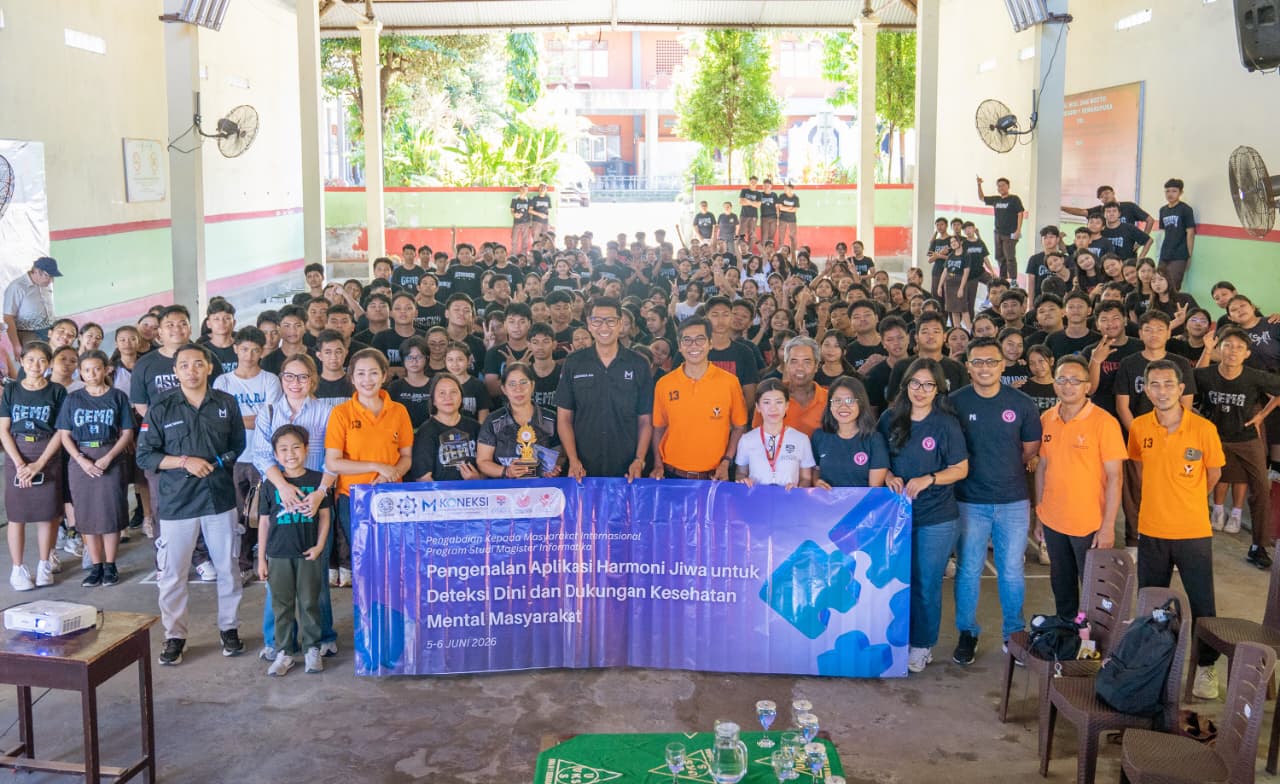
Participants and organisers at the Harmoni Jiwa outreach at SMA Negeri 1 Semarapura, 5 June 2026.

Bali, 6 June 2026 — The Centre for Interdisciplinary Research on the Humanities and Social Sciences (CIRHSS) at Udayana University, in collaboration with the University of Sydney Business School and Udayana University’s Master of Informatics programme, held a two-day community outreach initiative introducing the Harmoni Jiwa application. Activities took place at SMA Negeri 1 Semarapura, Klungkung, on 5 June and Puskesmas Abang, Karangasem, on 6 June 2026.

The initiative introduced digital technology as a way to support mental health literacy, early recognition of mental health concerns, and access to appropriate support. Bringing the programme to both a school and a community health centre connected the international partnership with local settings where mental health awareness can be strengthened.
Participants and organisers at SMA Negeri 1 Semarapura.
Participants and organisers at the Harmoni Jiwa outreach, SMA Negeri 1 Semarapura, 5 June 2026. Photo: activity report.

Engaging students in Semarapura

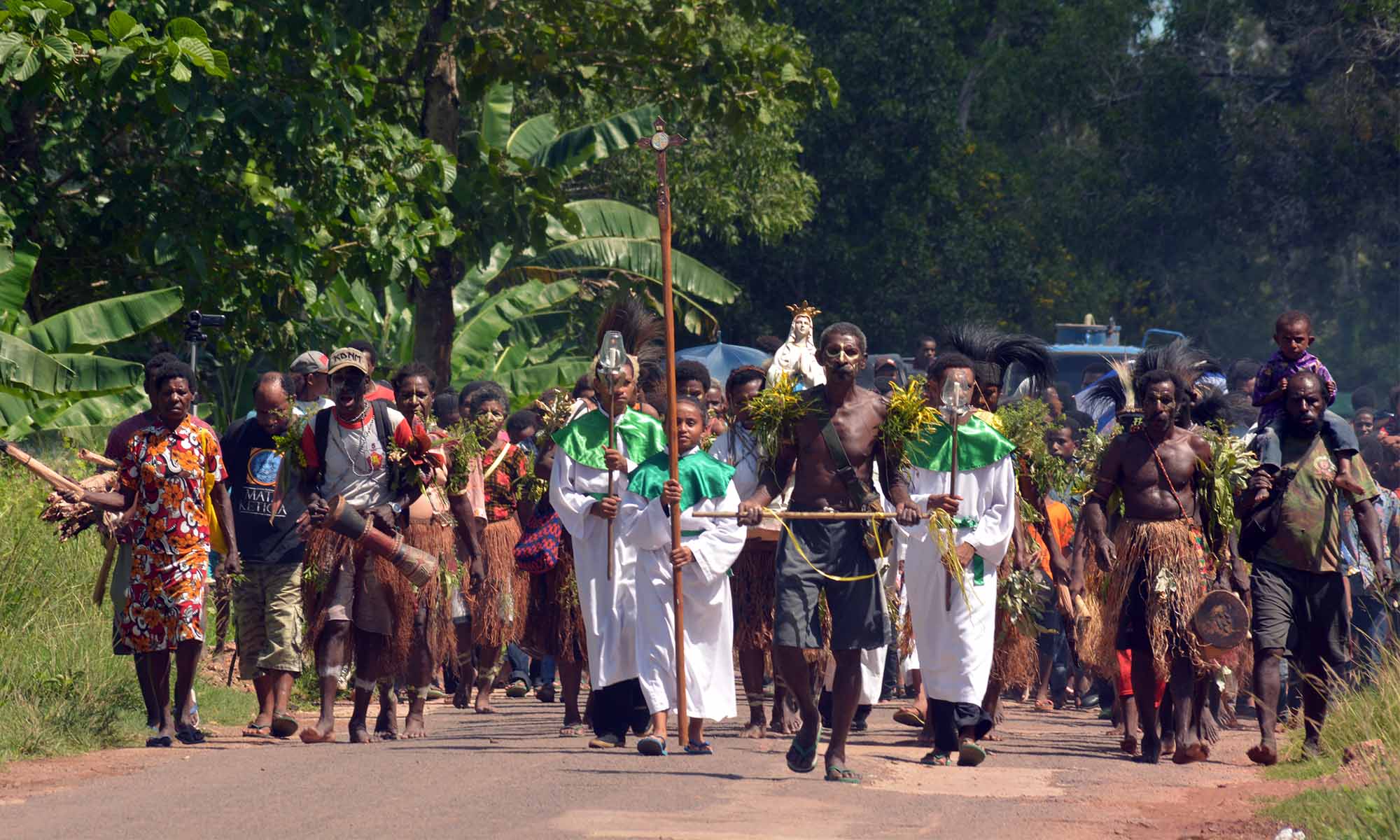
At SMA Negeri 1 Semarapura on Friday, 5 June, the team introduced the purpose and main features of Harmoni Jiwa and explained how to use the application. The session encouraged participants to recognise the importance of mental wellbeing and to seek appropriate support when facing mental health concerns.

Presentations were followed by discussion and questions, giving participants an opportunity to explore mental health issues and the role of digital tools in everyday life. The activity aimed to encourage students to share accurate information and contribute to a more supportive school environment.
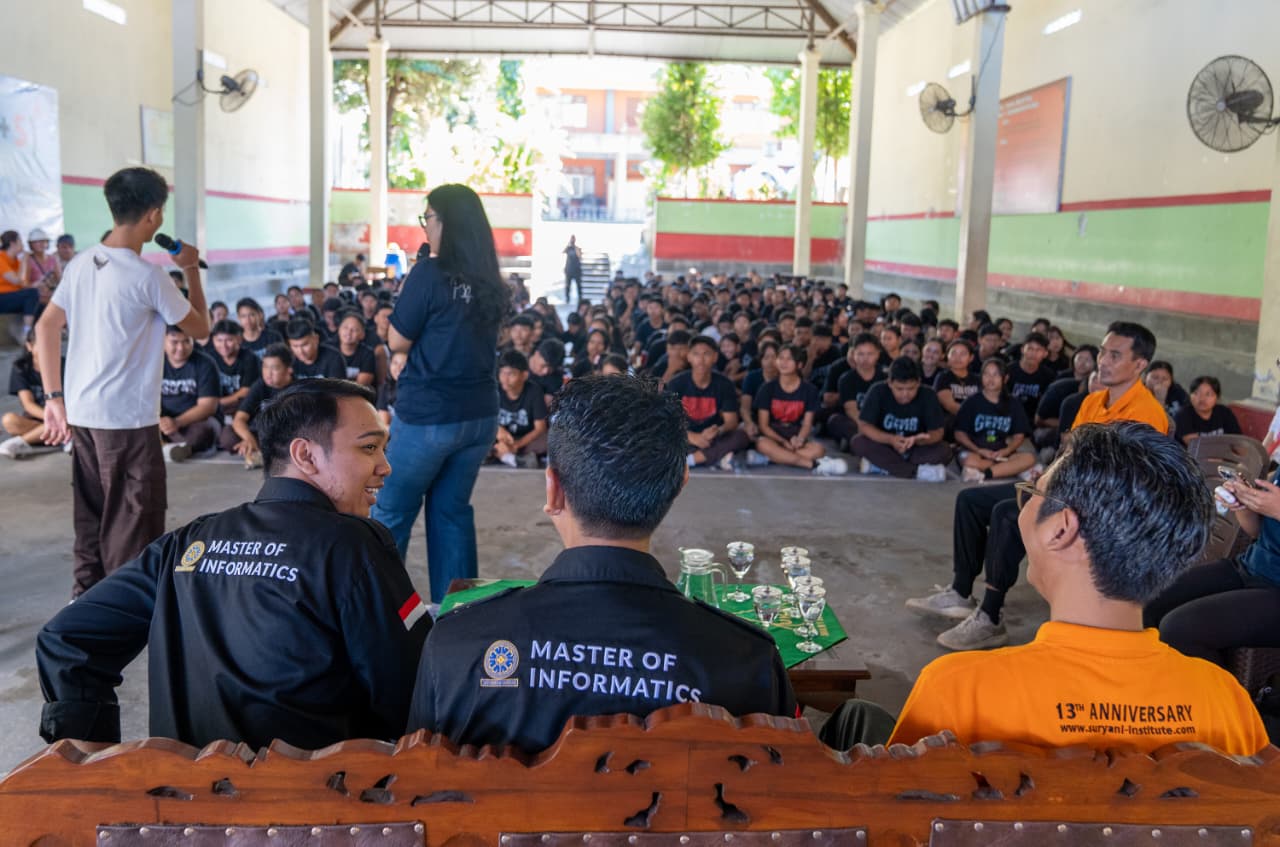
Interactive session with students at SMA Negeri 1 Semarapura.
An interactive session at SMA Negeri 1 Semarapura, 5 June 2026. Photo: activity report.

Extending outreach to Karangasem

The programme continued at Puskesmas Abang on Saturday, 6 June. The team introduced Harmoni Jiwa to participants in the community health centre setting, explaining its intended role in mental health awareness, early recognition, and initial support.

The session combined an introduction to the application with guidance on its use and an interactive discussion. Participants could ask questions about mental health and the practical use of digital technology, while the team emphasised the importance of recognising concerns and seeking suitable assistance.
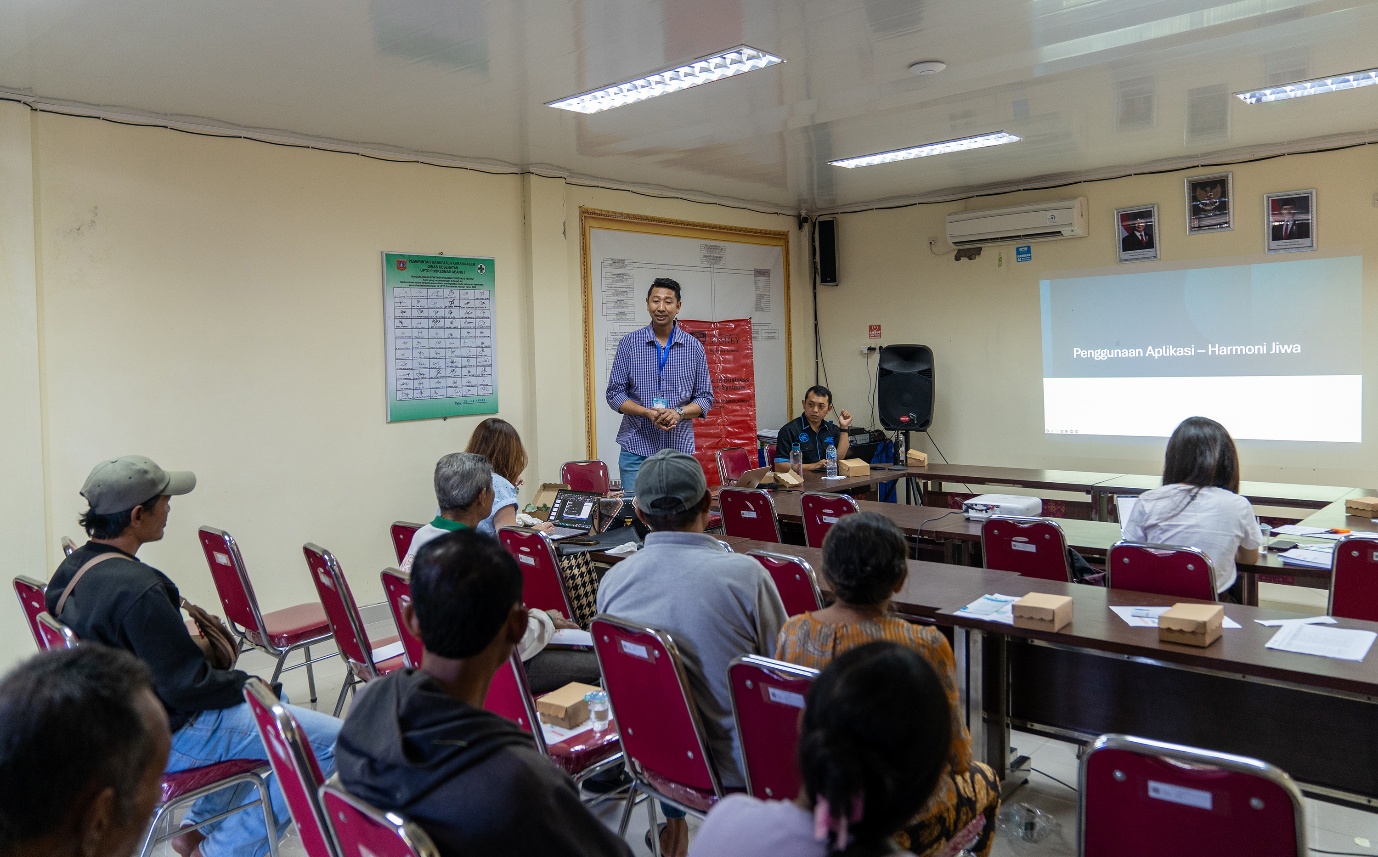
Harmoni Jiwa presentation at Puskesmas Abang.
Introducing Harmoni Jiwa at Puskesmas Abang, Karangasem, 6 June 2026. Photo: activity report.
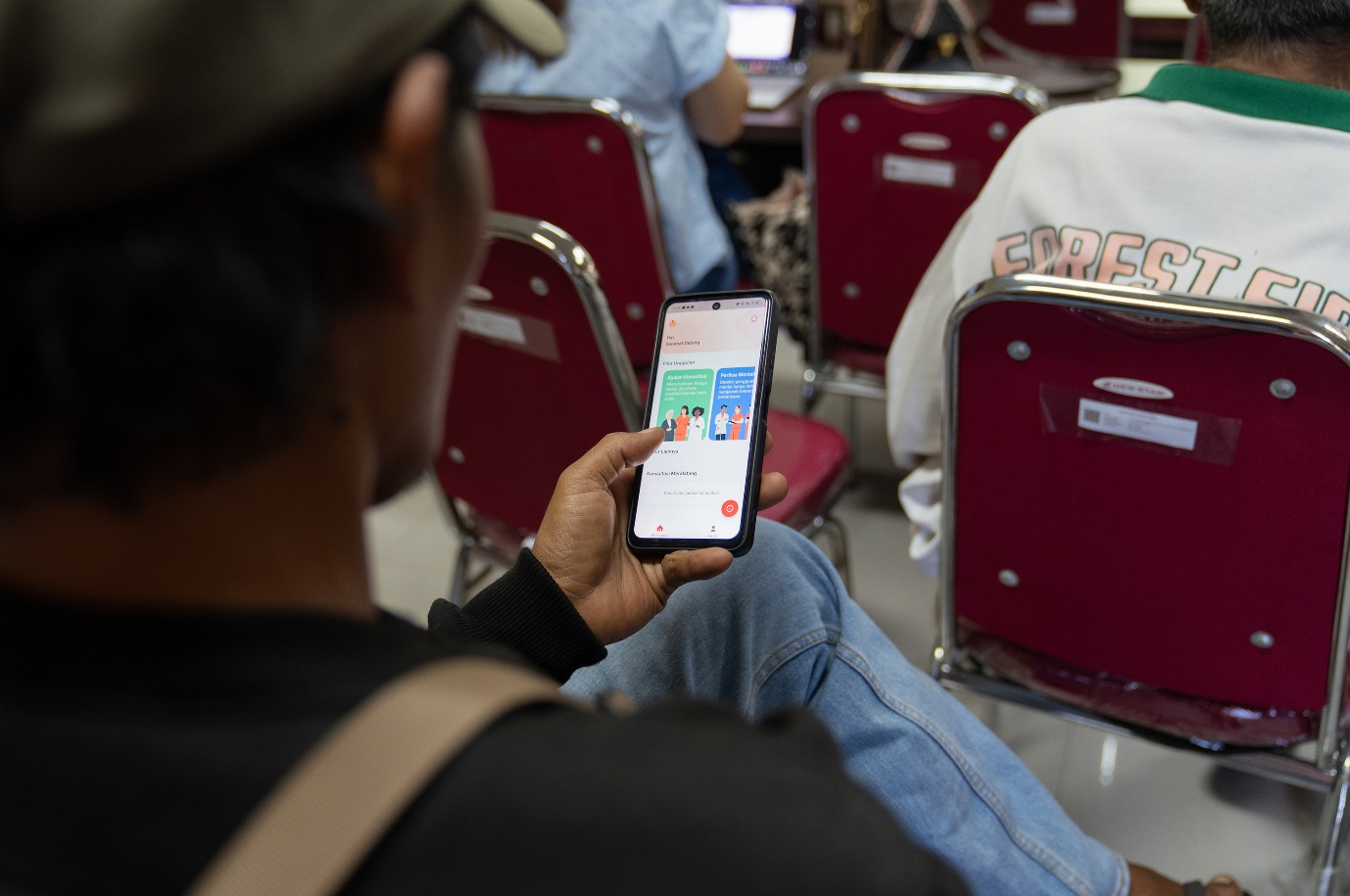
A participant explores Harmoni Jiwa on a smartphone.
A participant explores the application during the Puskesmas Abang session, 6 June 2026. Photo: activity report.

Connecting international collaboration with community needs

The outreach brought together CIRHSS, the University of Sydney Business School, and the Master of Informatics programme within Udayana University’s Faculty of Mathematics and Natural Sciences, with support from the local host institutions. It provided a practical setting for interdisciplinary collaboration linking digital innovation, education, and community wellbeing.

The activity reports describe greater familiarity with Harmoni Jiwa and increased awareness of mental health and appropriate support among participants. The organisers hope that the knowledge shared during the two sessions will encourage continued conversations, help reduce stigma, and promote thoughtful use of digital tools in schools and the wider community.

Through this initiative, the partners translated academic cooperation into community service, supporting mental health education and stronger connections between universities and local communities.
KONEKSI Research Collaborative Grant Awarded to CIRHSS Team

We are thrilled to announce that our application has been successful for the KONEKSI Research Collaborative Grant – Digital Transformation round. Congratulations to our dedicated team!

Our application stood out among over 600 Expressions of Interest, enduring two rigorous rounds of expert peer review by Indonesian and Australian academics. The selection was based on the technical merit of our proposal and our organization’s capacity to conduct the research with our listed partners.

The KONEKSI Secretariat has commended the technical rigour of this selection process in their second round of Collaborative Grants. This stringent process has ensured the selection of high-quality projects spanning diverse disciplines and regions. Additionally, the KONEKSI Secretariat recognized the commitment to social equality, genuine research partnerships, and the potential for policy and innovation impact in each selected proposal.

Principal Investigator:

Investigators:

We eagerly anticipate the impactful research outcomes and significant contributions to digital transformation that this collaborative effort will bring.

Research groups by CIRHSS members

The Rector of Udayana University formalised a large pool of research groups across the university on 16 April 2024 (Decree no. 594/UN14/HK/2024). Several CIRHSS’s members and executive boards lead some of these groups. They are listed below (organised by the order in which they appear in the Decree, and presented the name as-is in the Decree):

  1. Pragmatik dan Analisis Wacana Kritis (group leader: Prof. Dr I Made Netra)
  2. Bahasa dan Linguistik Terapan (group leader: Prof. Dr Ida Ayu Made Puspani)
  3. Kajian Budaya (group leader: Prof. Dr I Nyoman Darma Putra)
  4. Psikolinguistik (group leader: I Nyoman Aryawibawa, PhD)
  5. Tipologi Linguistik (group leader: Prof. Dr Ketut Artawa)
  6. Computer-assisted Lexicology and Lexicography (CompLexico) (group leader: Gede Primahadi Wijaya Rajeg, PhD)

Challenges & Opportunities in Digitalization – Cokorda Pramartha

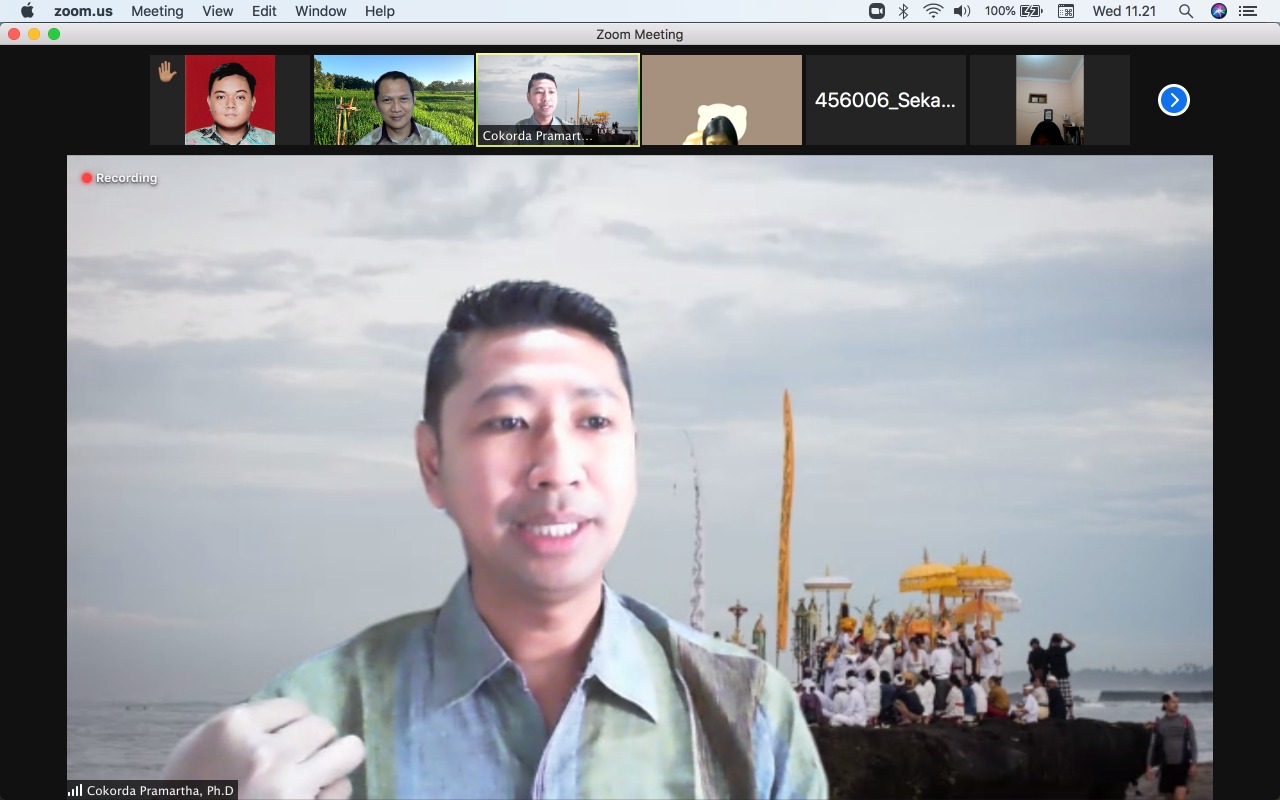
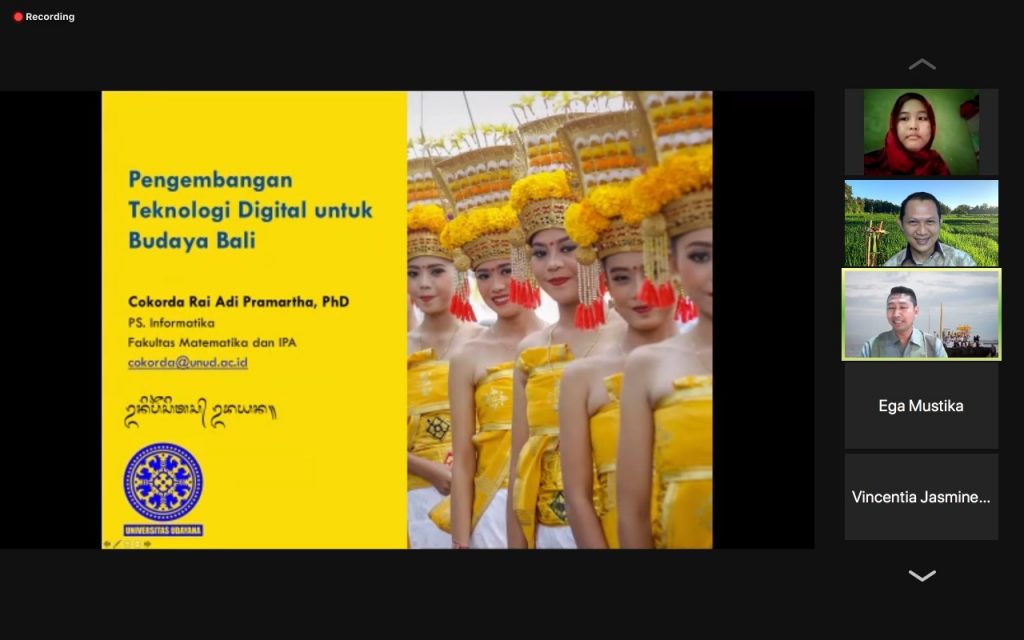
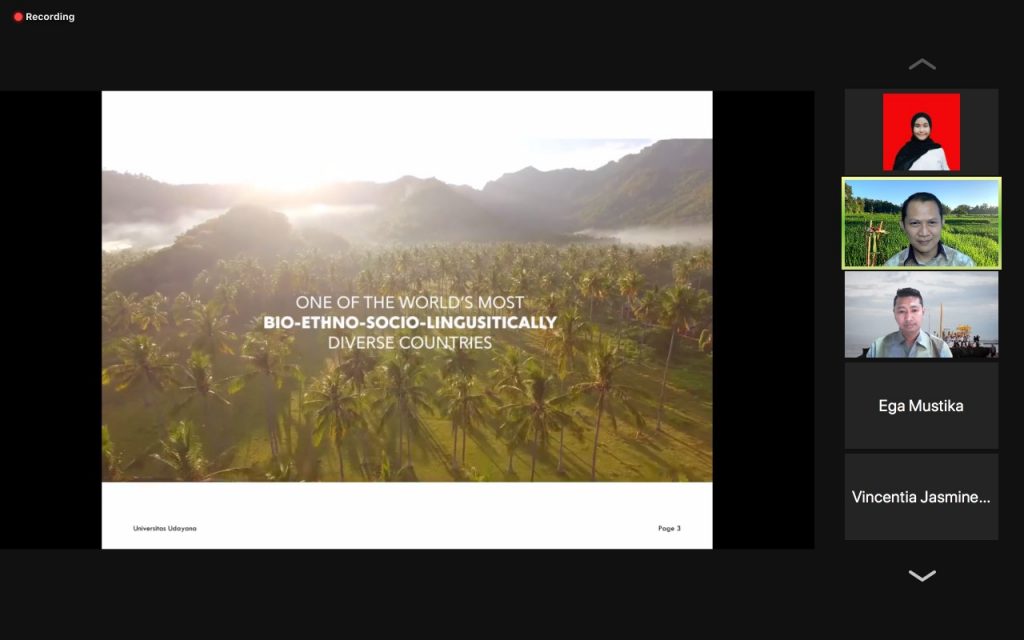
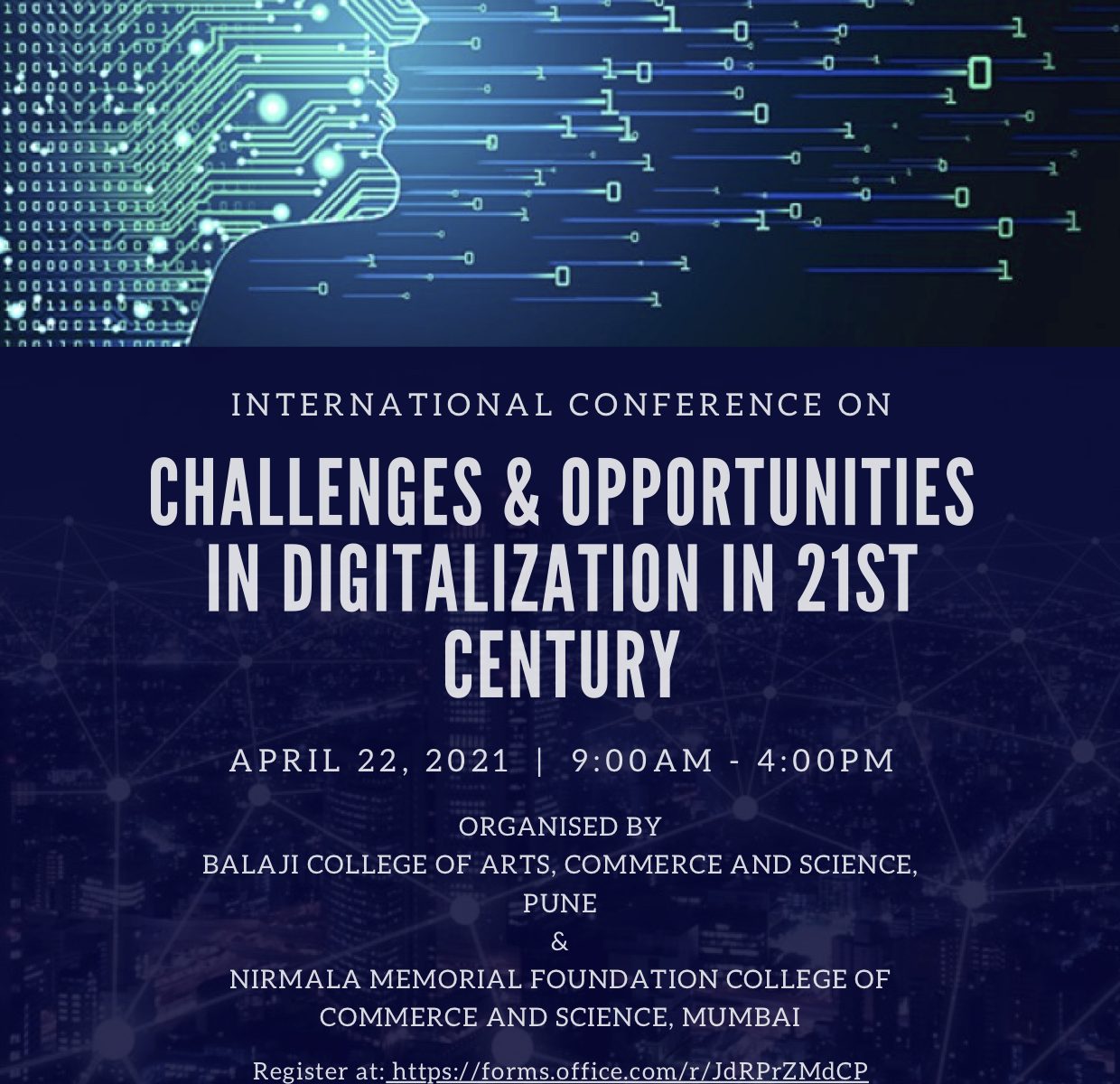
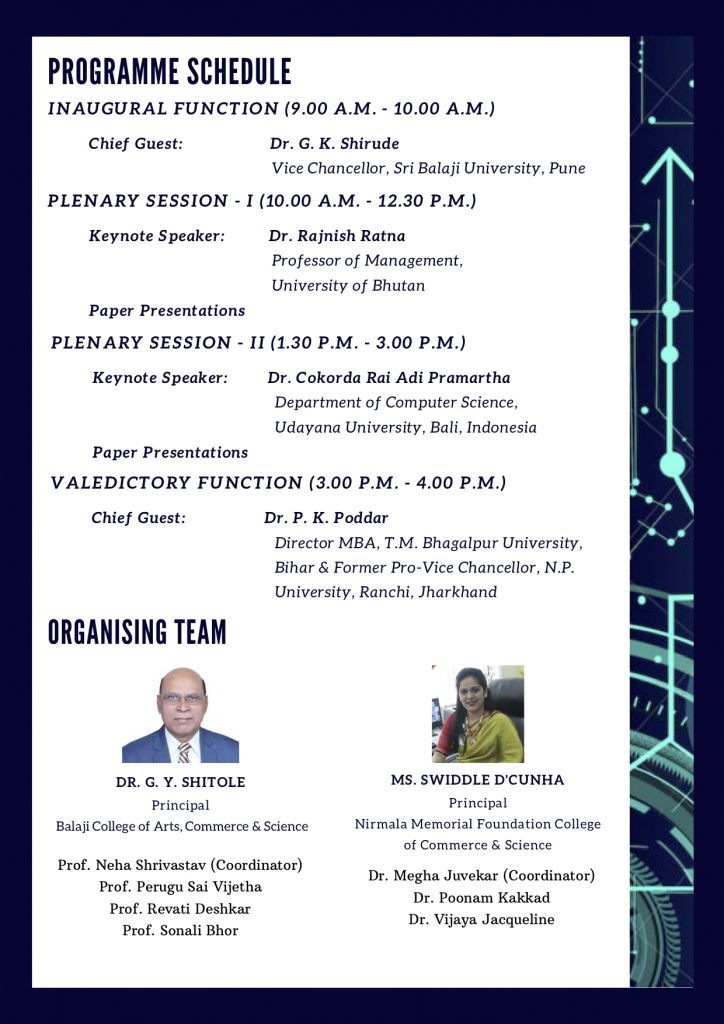
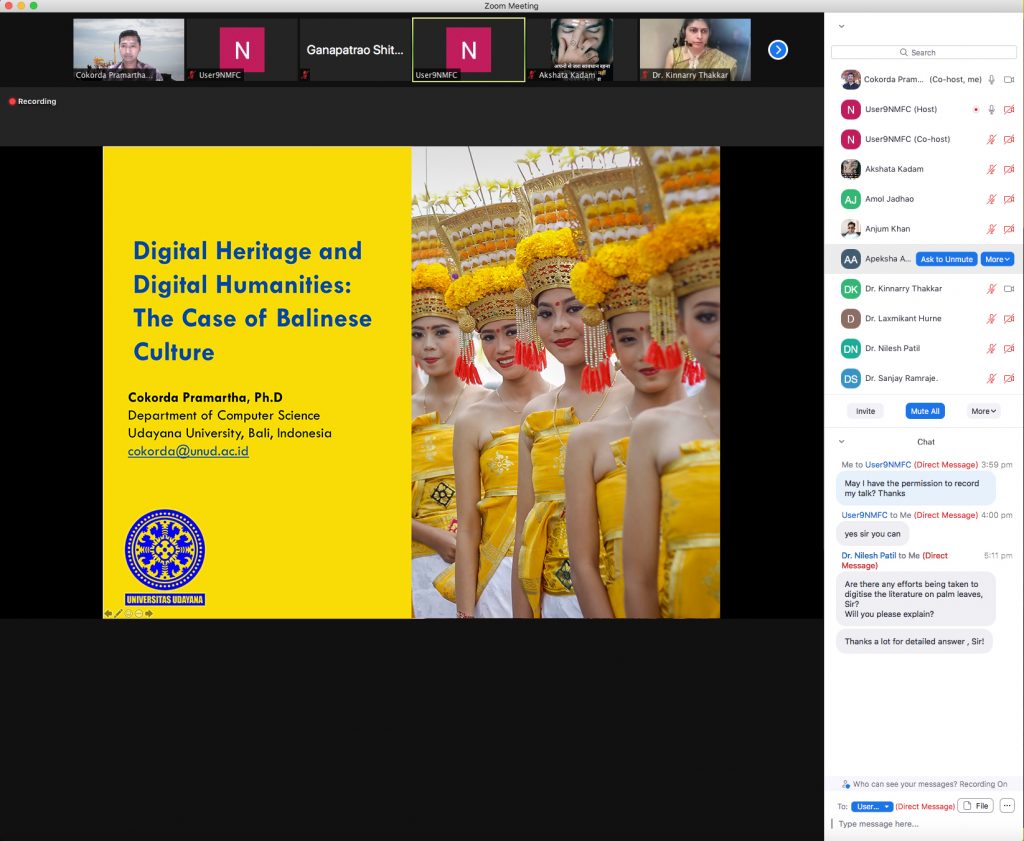
Cokorda Pramartha, PhD was invited as a Keynote Speaker at the International Conference on Challenges and Opportunities in Digitalization in 21st Century (April 22nd, 2021), hosted by Balaji College of Arts, Commerce and Science, India.

Pramartha talked about his research and project related to the Digital Heritage and Digital Humanities: the Case of Balinese Culture.

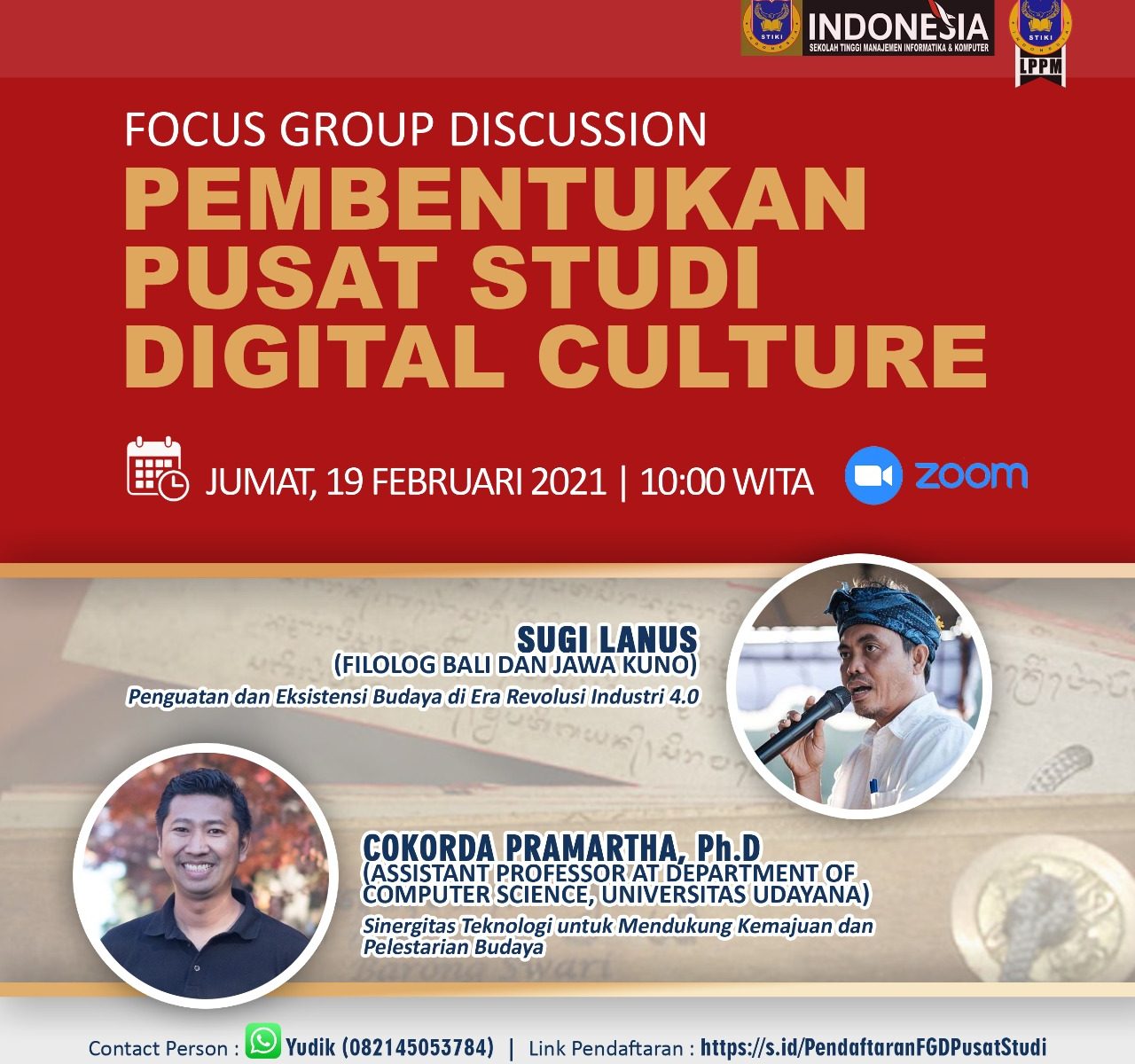
Invited Speaker at FGD Center for Digital Culture – Cokorda Pramartha

Cokorda Pramartha, PhD was invited as keynote speaker at STIKI Indonesia, Bali on Focus Group Discussion regarding the development of the Center for Digital Culture. The development of the Center for Digital Culture Studies in STIKI Indonesia is a cross-scientific domain engaged in designing, researching, reviewing and publishing various cultural-based findings. Pramartha talked of how information technologies can be a driver to support the preservation of cultural heritage.

Project: Digital Prototype Development for Balinese Script

Aims: To develop a computer-based keyboard specifically for Balinese Script
Funding: 2020 Udayana Univesity Innovation Research Grant
Amount: Rp 250.000.000,-

Chief investigator: Cokorda Rai Adi Pramartha, Ph.D

Co-investigators:
  1. Ida Bagus Gede Dwidasmara, S.Kom, M.Cs
  2. I Putu Gede Hendra Suputra, S.Kom, M.Kom
  3. Drs. I Wayan Arka, M.S., Ph.D
  4. Ni Putu Sri Harta Mimba, SE, M.Si, Ph.D
Outcomes:
  1. Intellectual property right: Computer Application
  2. Intellectual property right: Composition approach 
  3. Proceeding/Book chapter at the International Conference on Digital Heritage entitle Digital Humanities: Prototype Development for Balinese Script 

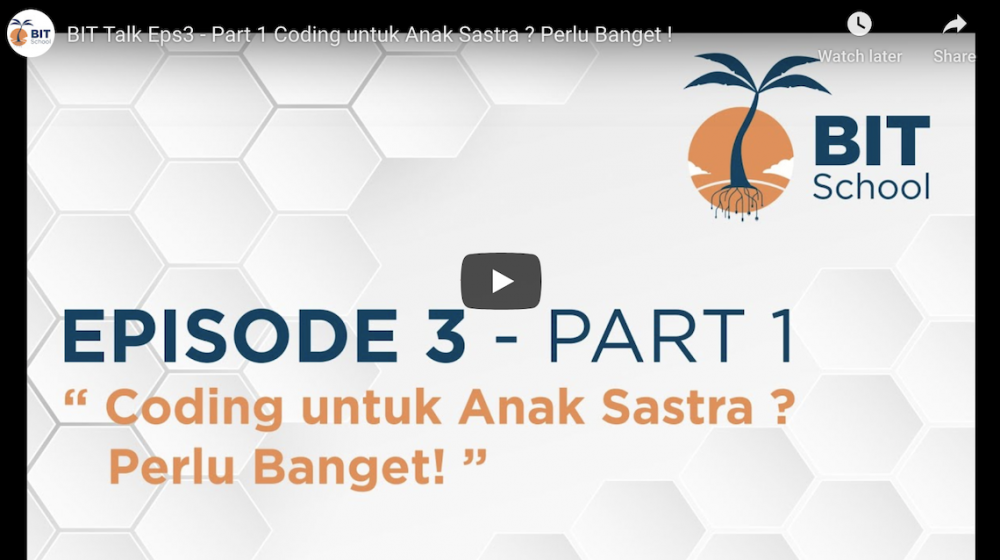
Coding untuk anak Sastra? Perlu banget!

CIRHSS Deputy Secretary, Gede Primahadi Wijaya Rajeg, Ph.D., gave a guess talk at BIT School about the benefits of coding/computing skill and data science in Language Sciences. Gede presented three simple cases to illustrate the interaction of computational and data science skills using R for investigating language and texts.

  1. Generating a frequency list of words from hundreds of text files, followed by
    1. Extracting full-reduplication words
    2. Performing summary statistics for the length of the letters in the reduplication
    3. Visualising the results
  2. Extracting prominent/key terms in a collection of novels to reveal what those novels are about.
  3. Comparing collocates of one word (i.e. menolak ‘to refuse’) in two different text corpora.

Below are the recordings of the talk (in Indonesian). The first part is the presentation, while the second part is the Q&A section.

Presentation
Q&A